Glamour or boudoir? Choose the look before you generate
Compare glamour and boudoir portrait plans through wardrobe, setting, light, and framing, then write a clearer brief for your AI shoot.
At a glance
- Glamour and boudoir are flexible style labels with overlapping choices.
- Compare the intended audience, outfit, setting, and camera distance.
- Keep one clear direction in the first set so you can judge the results.
Choose glamour when you want the portrait to feel polished and presentational: the outfit, styling, and pose are part of the subject. Choose a boudoir-inspired direction when you want a quieter, more intimate mood. Both can use fully opaque clothing, and either can be a private keepsake.
The labels overlap. They are less useful than a clear answer to "What should this particular picture look like?" For an AI photoshoot, wardrobe, light, setting, and camera distance give you a more usable brief than choosing a label alone.
Compare the choices you will actually make
This table describes two possible directions, not fixed rules for photography or guarantees about generation.
| Decision | Glamour direction | Boudoir-inspired direction |
|---|---|---|
| Intended feeling | Dressed for a portrait or editorial feature | A personal, quiet moment |
| Wardrobe | A deliberate evening or fashion outfit | Clothing chosen for comfort and the coverage you want |
| Setting | Simple studio, architectural interior, or clean backdrop | Uncluttered room, chair near a window, or personal interior |
| Pose | More composed posture and a clear clothing silhouette | Relaxed seated or standing posture |
| Frame | Enough space to show the styling | Closer expression or a small amount of room context |
| Light | Defined, controlled shaping | Gentle daylight or restrained shadow |
You can mix individual choices. A sharply tailored suit in a quiet window-lit room may have both qualities. Give the set a dominant direction so the instructions do not pull every photo somewhere different.
Start with who will see the result
If the image is for a public profile or announcement, picture it at the size and crop people will actually see. A close portrait with a readable face may serve that purpose better than an elaborate room. Check clothing coverage for that audience, including any accidental changes in the output.
For a private album, you have more freedom to choose a mood that means something to you. Privacy still depends on where you upload, save, and share the file. The visual style cannot establish that protection. Review what private portrait apps should disclose before using personal references.
If you are choosing this style for the first time, AI boudoir expectations explains the distinction between planning a look and receiving a result that meets it.
Two briefs using the same starting outfit
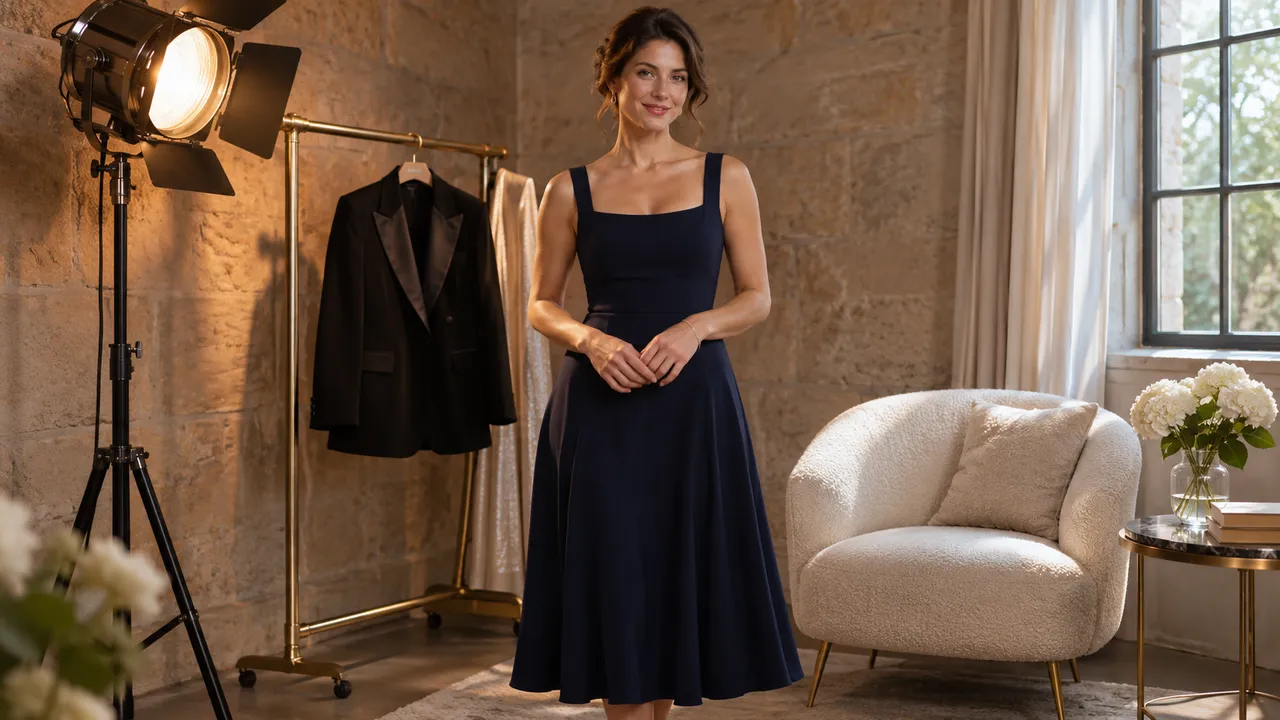
Imagine one consenting adult wearing an opaque black midi dress with wide straps and a straight neckline. These are text concepts, not a generated comparison or a controlled test.
For a glamour portrait, you could write:
An adult in the selected black midi dress, standing with relaxed shoulders against a plain warm-gray studio background. Three-quarter framing, a composed expression, soft directional light, and enough detail to show the dress fabric. Preserve the selected person's recognizable features.
For a boudoir-inspired portrait, you could write:
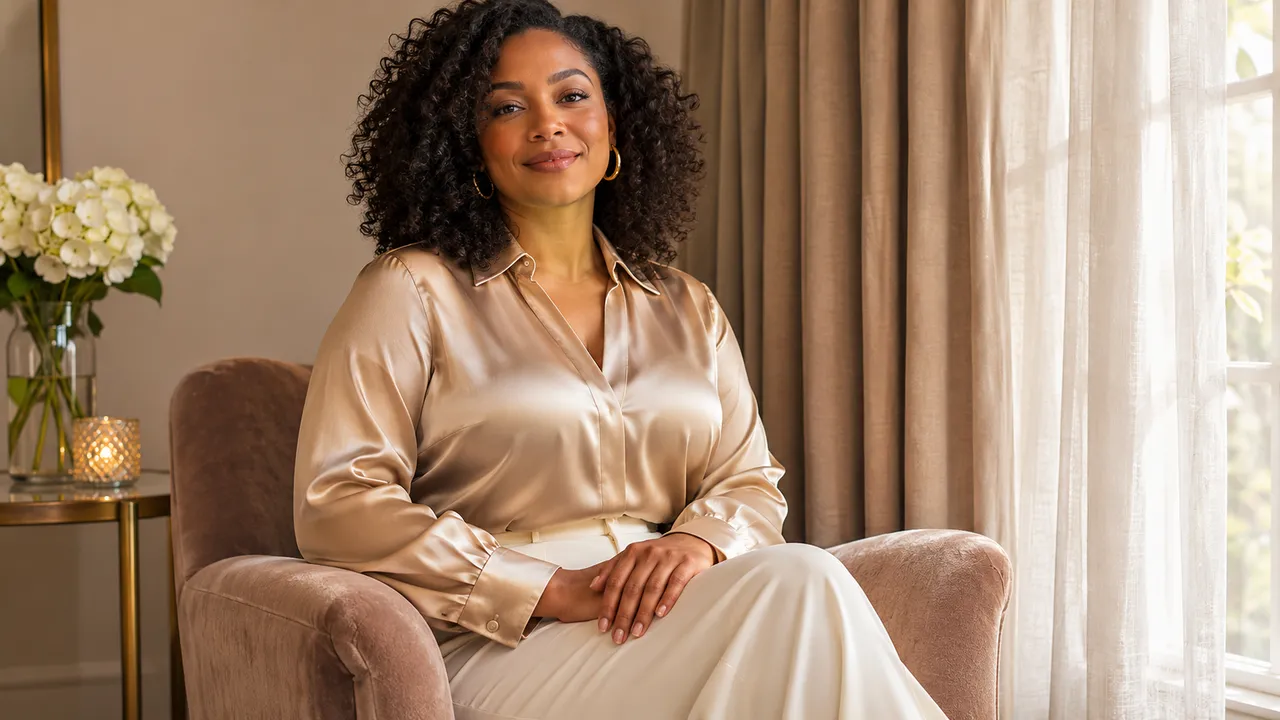
The same adult and opaque black midi dress, seated comfortably in an uncluttered room near a window. Waist-up framing, a quiet expression, gentle daylight across the face, and natural fabric folds. Keep the neckline and clothing coverage unchanged.
The second brief changes the setting and behavior without asking for more exposure. That is often a useful way to decide whether you want intimacy, stronger styling, or both. If a description matters to you, put it into the plan rather than expecting the word "boudoir" to supply it.
Choose clothing before adding adjectives
An outfit is easier to keep coherent when you can describe its construction: sleeves, neckline, length, fabric, and fastenings. "Elegant" is a preference; "opaque ivory dress with long sleeves and a fixed neckline" is something you can check in the output.
Browse the current outfit catalog and read the description attached to the selected garment. A dress with "satin" in its name is not necessarily lingerie. The outfit planning guide helps you choose details that can remain recognizable across the set.
For a restrained look, use the coverage and styling guide. It treats "classy" as a personal preference, not a judgment about bodies or other people's clothing choices.
Keep the first set easy to evaluate
Choose one outfit and one main lighting idea. Vary the frame and posture enough to create distinct pictures. If you change from a pale studio to a dark bedroom, swap clothing, and add a complicated pose simultaneously, a disappointing result gives you little information about what to adjust.
Review the first set against the purpose you chose. Did the glamour plan show the outfit clearly? Did the intimate plan retain a recognizable face and the intended coverage? Keep those decisions separate from whether the image happens to be visually impressive.
Once the direction is clear, choose a complete portrait concept and build it in Photoshoots. You can save the other direction for a separate project with its own budget and selection criteria.
Cover: AI-generated editorial illustration, not an AIGirlShot result.
Written by
AIGirlShot Team
Portrait planning and practical guides from the AIGirlShot team.
Related posts