Boudoir photo ideas for an AI photoshoot: pick a complete concept
Choose from eight non-explicit boudoir-inspired concepts with clear wardrobe, light, setting, and framing choices for an AI portrait plan.
At a glance
- Choose a whole concept rather than collecting unrelated pose ideas.
- Define the outfit coverage, scene, light, and two useful frames.
- Treat these concepts as planning examples rather than tested product presets.
A useful boudoir photo idea gives you more than a mood word. It tells you what to wear, where the picture happens, how the light falls, and which frames belong together. For an AI photoshoot, those choices become the instructions you can check against the result.
The eight concepts below are for consensual adult, non-explicit portrait planning. They are suggestions to assemble from available options, not a list of tested AIGirlShot presets. Start with the current photoshoots, outfits, and scenes, then choose a concept that the available tools support.
1. A quiet window portrait
Choose an opaque long-sleeved knit top and a skirt or trousers. Place the scene beside a large window with a plain chair and a restrained background. Describe soft daylight, a visible face, and relaxed shoulders.
Plan a seated waist-up portrait and a wider standing frame near the window. The first gives you expression; the second establishes the outfit. This concept suits a personal keepsake that feels familiar and unhurried. Use the lighting guide to choose the light direction.
2. Satin evening study
Use an opaque satin midi dress with a clearly described neckline and strap width. A simple interior or studio background keeps attention on the fabric and face. Ask for controlled highlights so the material retains texture.
Pair a standing three-quarter frame with a seated close portrait. Choose this for a dressed-up set without a busy event setting. Read the outfit guide before choosing several similar satin references; details such as the neckline need to remain consistent.
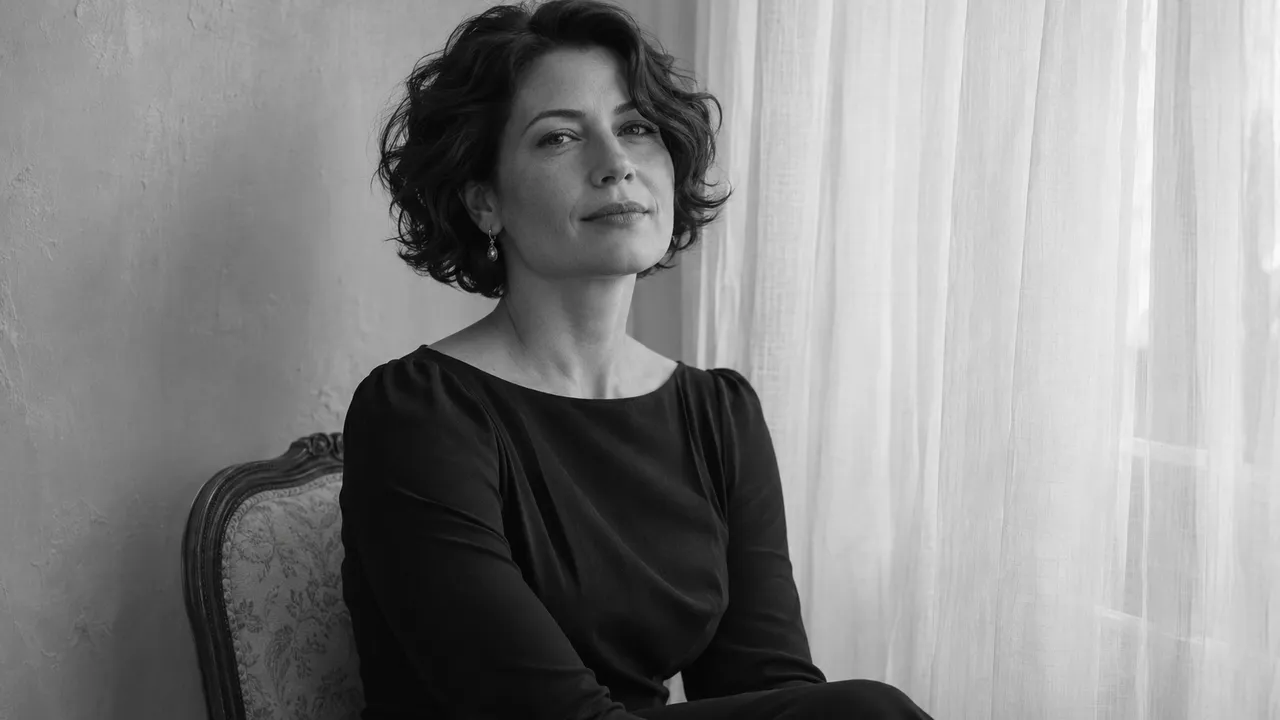
3. Soft monochrome
An opaque pale blouse and dark trousers give this concept a clear wardrobe. Use a simple gray room and soft side light, with readable detail in the face and clothes. Request black-and-white treatment explicitly.
Plan one closer portrait and one seated frame that includes both hands resting naturally. This is a quieter alternative to a dramatic dark image. The black-and-white guide covers how to plan brightness differences without making everything harsh.
4. An evening room with restrained shadow
A deep-colored, fully opaque dress can fit a dark wood or neutral interior. Keep one clear source of light on the face and a little separation between the clothing and background. Avoid describing the entire room as completely black.
Use a waist-up frame near the light and a three-quarter seated portrait. This concept suits a more theatrical mood while keeping the person's features readable. The dark and moody guide explains what to inspect in the shadows.
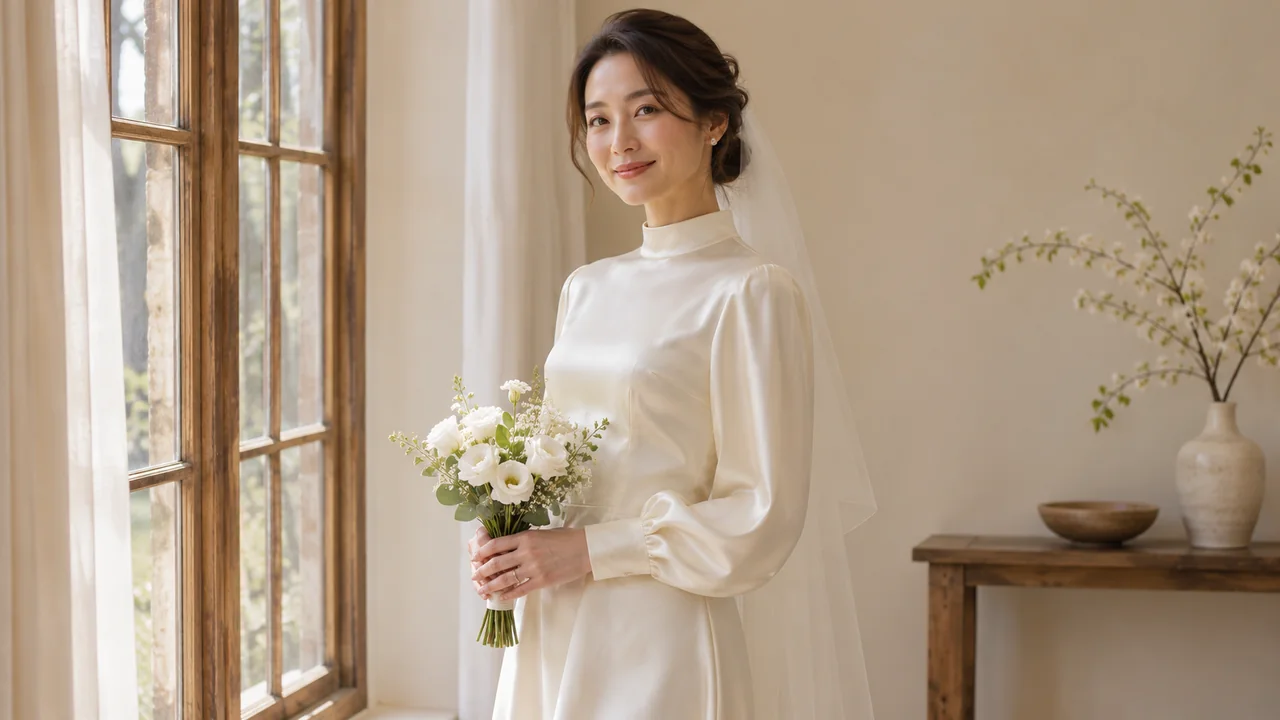
5. Bridal-inspired ivory
Choose an opaque ivory dress with the coverage you want, such as long sleeves and a fixed neckline. A small bouquet or simple ribbon can carry the wedding reference; the room can stay plain. Describe gentle daylight and visible fabric detail.
Pair an upper-body portrait with a wider frame showing the dress. Use the idea as a personal portrait concept, not a substitute for a record of a real wedding. See bridal portrait ideas for decisions about accessories and presentation.
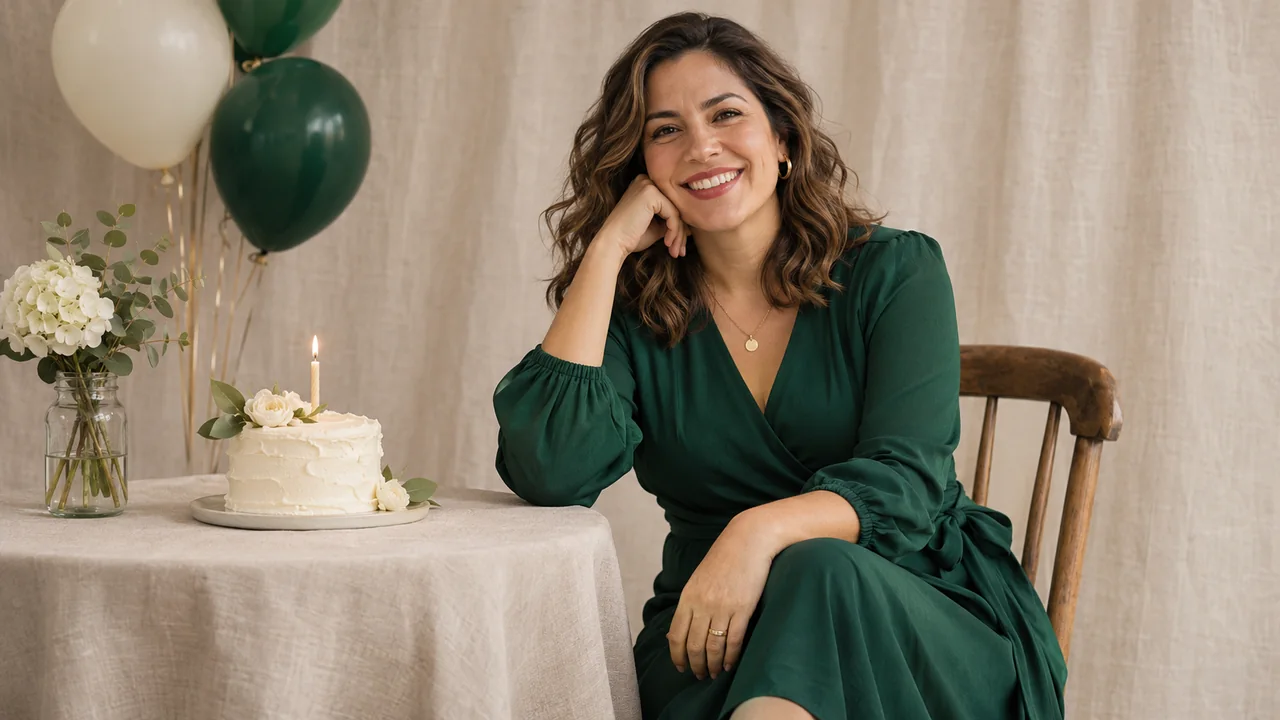
6. A birthday portrait at home
Select an opaque evening outfit in a color you enjoy. Use one celebration detail, such as a small cake on a side table, rather than filling the room with decorations. Keep the face well lit and the table separate from the body.
Plan a clean portrait without props and a wider frame that includes the cake. That gives you a useful picture even if an accessory comes out poorly. The birthday photoshoot guide develops this into a personal set.
7. Tailored and personal
Use a buttoned shirt or opaque top under a tailored jacket, with matching trousers. Choose a comfortable armchair and an uncluttered room. Soft directional light and an easy posture can make formal clothing feel less staged.
Plan a seated waist-up view and a standing frame with the jacket silhouette visible. This suits someone who wants intimacy through expression and setting while staying fully covered. The glamour comparison helps decide how polished to make the styling.
8. Minimal natural texture
Choose a simple opaque cotton outfit and a neutral wall, chair, or linen curtain. Describe natural skin texture and ordinary fabric folds. Keep accessories sparse so the face remains the main point of interest.
Use a close portrait and a relaxed three-quarter standing frame. This concept suits a set where recognizable features matter more than elaborate styling. If you prefer restrained coverage and composition, start with the classy boudoir planning guide.
Turn one idea into a set
Pick the concept you can describe most clearly, then write its non-negotiable details: garment coverage, recognizable features, and the intended mood. Keep those stable while you vary expression, camera distance, or posture.
Do not combine all eight concepts into one first attempt. A coherent six-photo plan gives you enough variation to choose between results while preserving a shared look. Review the quote and any reference-processing concerns before generating.
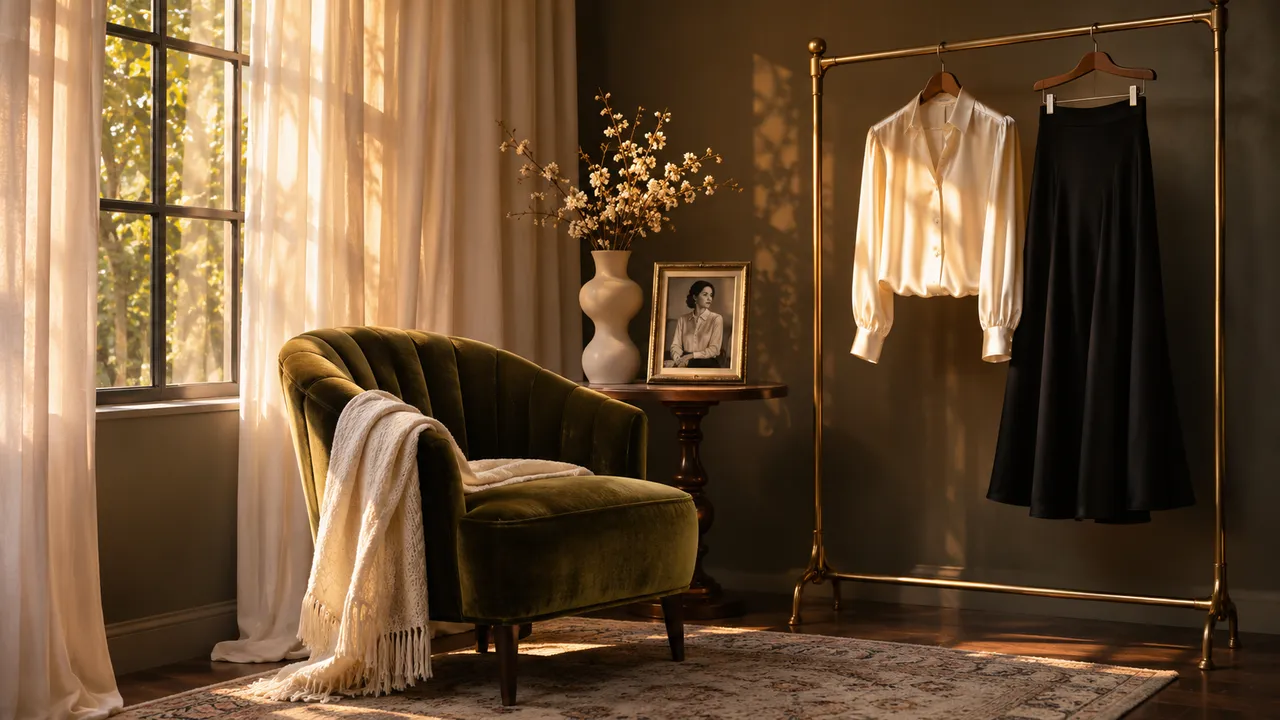
Cover: AI-generated editorial illustration, not an AIGirlShot result.
Written by
AIGirlShot Team
Portrait planning and practical guides from the AIGirlShot team.
Related posts