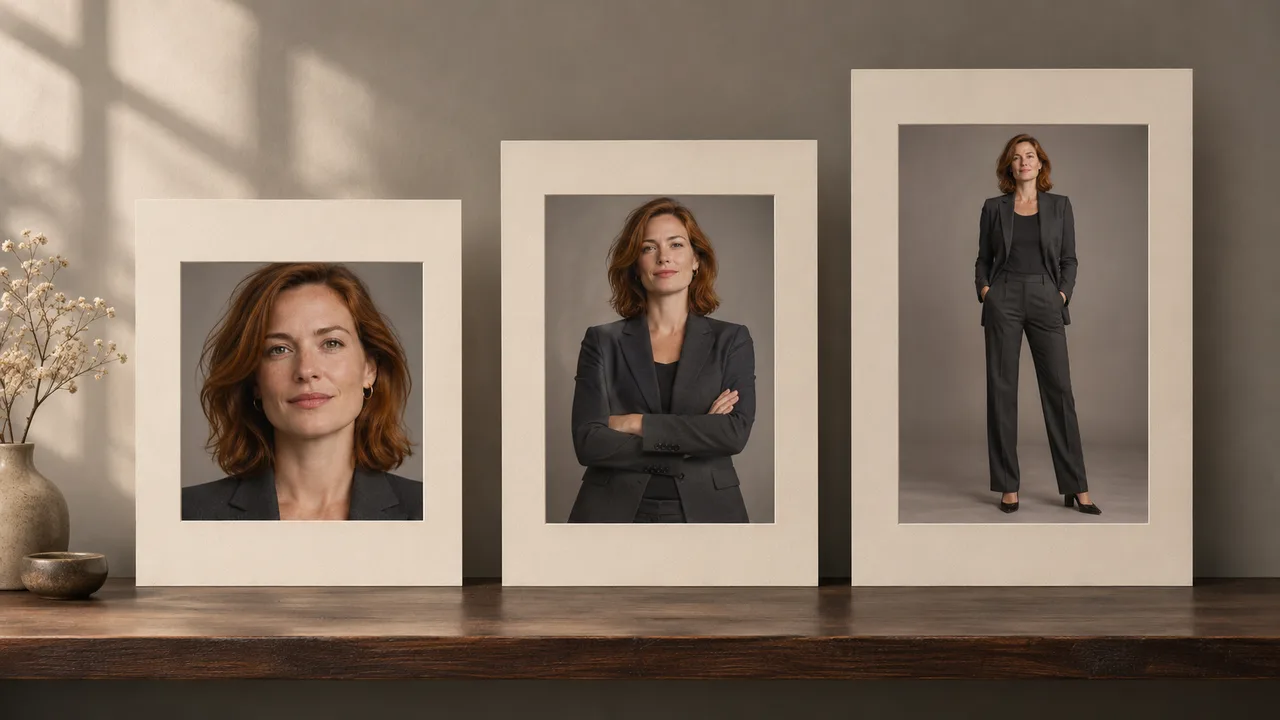
Plus-size boudoir poses: keep your proportions in the frame
Plan seated, standing and full-length AI portraits without asking for a different body. Check likeness, proportions, clothing and perspective.
At a glance
- Choose the picture you want to see rather than poses that promise to hide your body.
- Use framing and a readable viewpoint to evaluate proportions.
- Reject unwanted changes even when the image is otherwise attractive.
You can want a beautiful portrait and still want it to look like your body. For a plus-size AI photoshoot, make that preference part of the plan: preserve the person's natural proportions, choose clothing coverage deliberately, and review the results for unwanted changes.
No pose can guarantee that a generator will retain every feature. This guide offers adult, non-explicit composition ideas and a review method; it does not claim that AIGirlShot has been quality-tested on every body type. A polished image is still a result you can reject if it does not represent you.
Describe the body you want preserved
Start with your own clear, authorized reference photos and describe preservation plainly. “Keep the person's natural body proportions” is a useful direction. Avoid adding “slim waist,” “longer legs” or similar instructions unless those changes are actually what you want.
The reference selection matters to what you can evaluate. A close facial photo may help with identity, but it does not clearly show the person's full body. Do not assume the generator knows details outside the frame. Use the reference photo guide to choose from the supported inputs without adding unnecessary exposure or private information.
Choose an outfit that suits your preference. Coverage, neckline and silhouette are decisions for you, not rules assigned to a size. If the clothing changes your apparent shape dramatically, compare the garment as well as the body before deciding what went wrong.
Four compositions to plan
Seated, facing the camera
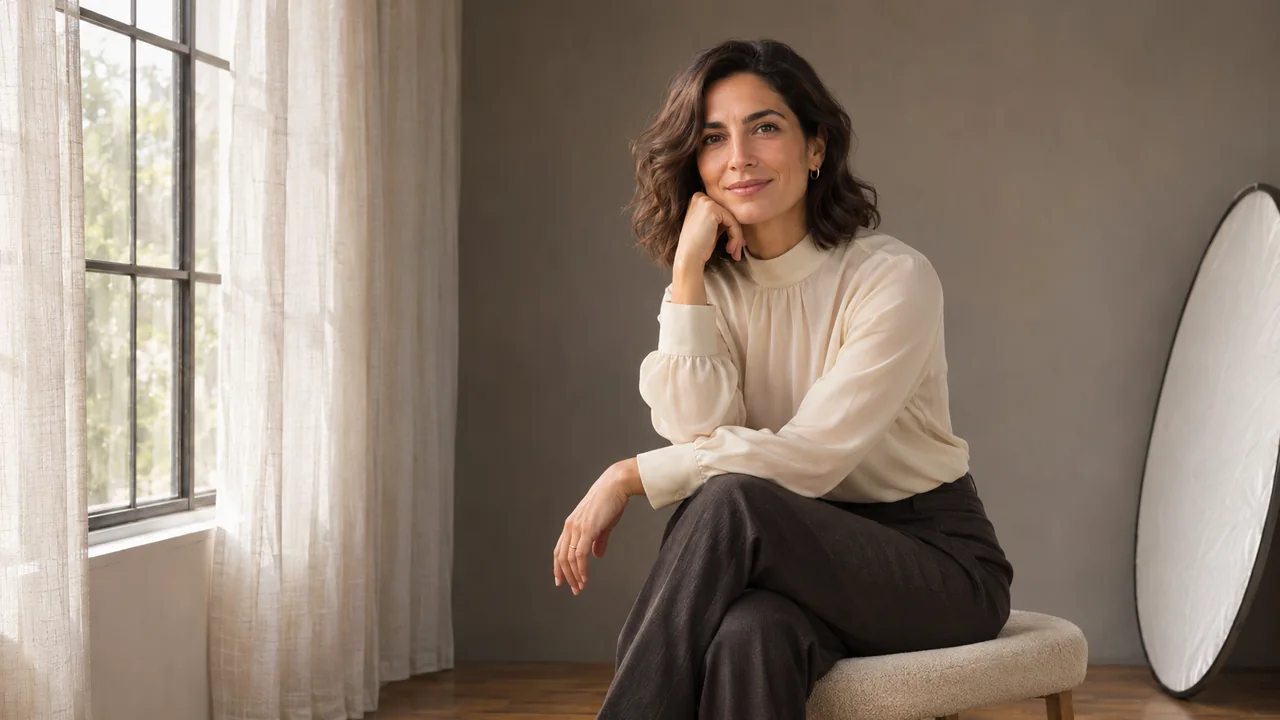
A plain chair and a comfortable upright position give you a direct view of the shoulders, torso and arms. Let the hands rest separately on the thighs or lap. Choose knees-up framing if you want to see how the outfit sits while seated.
Look for natural contact between the body and the chair. Check that the seat supports the person and that the garment has not become unnaturally tight or changed its coverage. A seated body does not have to resemble a standing silhouette.
Seated at a gentle angle
A small turn can add variation while retaining a readable face. Keep the viewpoint near eye level for an uncomplicated starting point. Let the shoulders and hips turn comfortably together rather than requesting an extreme twist.
This frame can reveal whether one arm has become unusually narrow or whether the torso changed shape between photographs. Compare it with the front-facing image, allowing for the different angle instead of demanding identical outlines.
Full-length standing
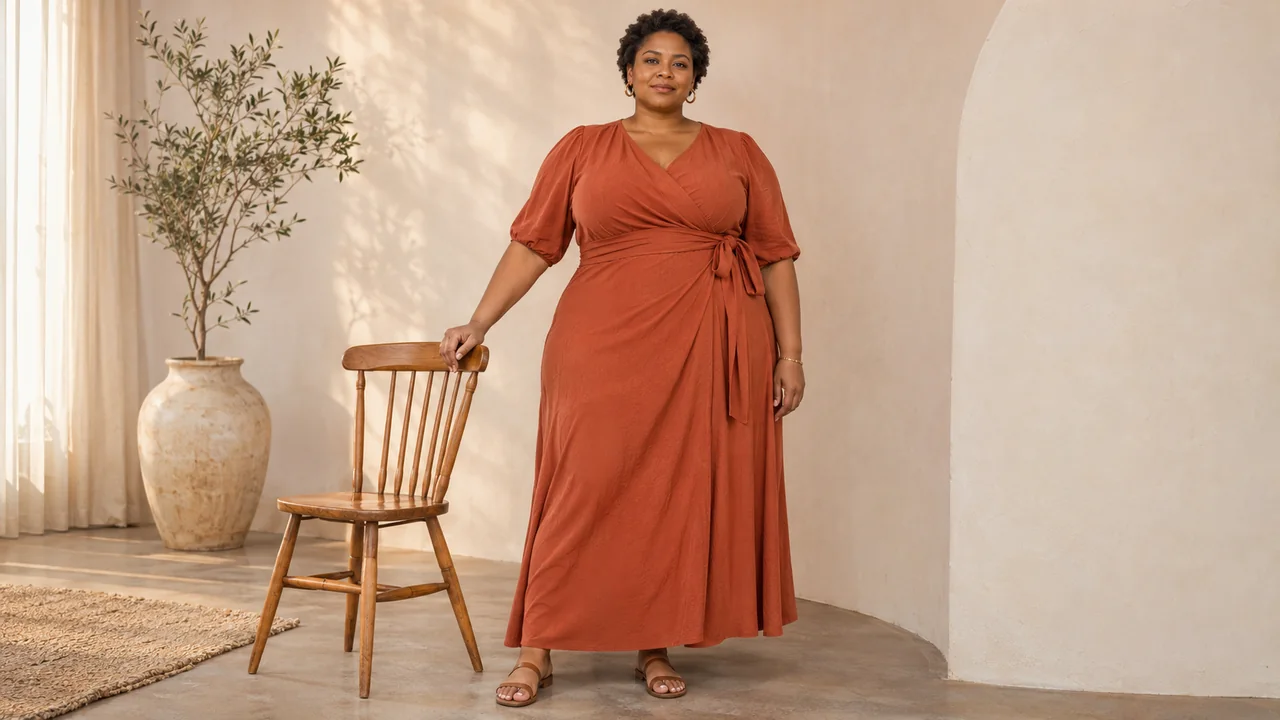
Give the entire outfit enough room, including the feet and some space above the head. Ask for a balanced stance, relaxed arms and natural proportions. This picture has a different job from a close portrait: it should show the whole person and the complete outfit.
Inspect overall body proportions before small garment details. Check the relationship between head, torso and legs, then look at the feet and clothing edges. The framing guide explains how to make space for a full-length subject without confusing framing with aspect ratio.
A closer portrait
Choose a waist-up or closer frame because you want to emphasize expression, jewelry or the neckline. A tighter crop is a creative choice; it does not need to be explained as a way to hide part of the body.
Keep enough shoulder and arm context for the composition to feel deliberate. If the crop cuts through a hand or makes the pose hard to understand, change the framing request. For a complete sequence, combine these ideas using the pose matrix.
A short description to adapt
Adult portrait of the selected person, preserving their natural face and body proportions. Comfortable seated position, shoulders relaxed, hands resting separately on the lap. Opaque selected outfit with unchanged coverage and natural fabric folds. Eye-level view with enough space to show the pose clearly.
Keep this description consistent with the chosen person, outfit and pose. If a selected reference pose has a different body type, use it only as posture guidance rather than asking to copy that person's shape.
Review representation as well as image quality
Compare the results with your references and with one another. Ask whether the face is recognizable, whether the torso and limbs remain plausible, and whether the outfit has changed in a way that makes the body look different. Look for unwanted narrowing, stretching or smoothing that you did not request.
Distinguish those changes from an ordinary shift in angle or posture. A front view and a three-quarter view should not have identical outlines. What matters is whether the person still feels represented consistently.
If the first output already feels unfamiliar, use the likeness troubleshooting guide. If one photo has a useful expression but unwanted reshaping, you can leave it out. You are not obliged to accept it because the lighting is good.
Choose the final set with the photo selection checklist. Keep the pictures that meet both standards: technically usable and comfortable for you to recognize as your own portrait concept.
Cover: AI-generated editorial illustration, not an AIGirlShot result.
Written by
AIGirlShot Team
Portrait planning and practical guides from the AIGirlShot team.
Related posts